
What Is a Biogas Collection Cover? How It Works and Where It Is Used
Biogas systems rely on more than just the digester itself — they need a reliable way to capture the gas being produced and hold it safely until it's needed. This is where a biogas collection cover comes in. These covers sit over digesters and lagoons, capturing biogas as it rises and keeping it contained for later use. In this post, we'll look at what these covers actually do, how they work, and where they're commonly used.
What Is a Biogas Collection Cover?
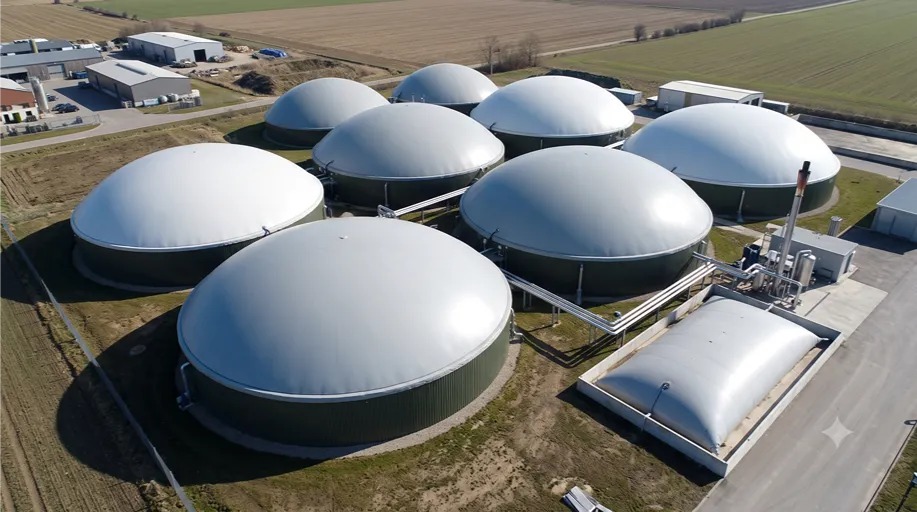
A biogas collection cover is a flexible membrane placed over a digester tank or lagoon. As organic waste breaks down inside, it releases biogas, which naturally rises upward. The cover traps this gas underneath it instead of letting it escape into the air. Because the material is flexible, the cover can expand slightly as gas builds up, acting almost like a soft, stretchable lid over the system.
This simple design makes it possible to capture gas efficiently without needing rigid, complicated equipment on top of the digester.
1. How a Gas Collection Membrane Works
- The membrane is fitted tightly over the digester or lagoon, sealing the surface
- As biogas forms below, it collects in the space between the waste and the cover
- The flexible material allows the cover to rise gently as gas volume increases
- Gas can then be drawn off through a connected outlet for storage or direct use
- A properly fitted membrane keeps gas from leaking out and keeps outside air, rain, and debris from getting in
This setup means the same cover is doing two jobs at once: capturing the gas and protecting the system underneath it.
2. Where Biogas Capture Covers Are Used
Biogas capture covers show up in a range of settings, wherever organic waste is broken down to produce usable gas.
- Digesters – Covers sit directly over digester tanks, sealing in gas as waste breaks down inside
- Lagoons – A lagoon cover spreads across large open lagoons, capturing gas released from waste stored in open ponds
- Effluent treatment plants – Covers are used over treatment systems that generate biogas as part of the waste processing
- Agricultural and dairy farms – Farms with large volumes of animal waste often use covers over lagoons or digesters to capture gas for energy use
- Municipal and industrial waste sites – Larger-scale waste facilities use collection covers as part of broader biogas recovery systems
Wherever organic waste is being processed at scale, a well-fitted cover helps turn what would otherwise be wasted gas into something usable.
3. Why a Digester Collection System Needs a Good Cover
A digester collection system only works as well as the cover sealing it. If the cover isn't fitted properly or isn't made from the right material, gas can escape, reducing how much is actually captured and stored. A dependable cover needs to:
- Hold a tight seal over the digester or lagoon surface
- Flex smoothly as gas volume rises and falls
- Handle constant exposure to moisture, sun, and outdoor conditions
- Keep functioning reliably over long stretches of daily use
This is why the material choice for these covers matters so much — it's not just about covering a surface, but keeping a whole gas capture system working smoothly.
4. The Role of PVC and PVDF Coated Fabric
Most biogas collection covers are made from PVC or PVDF coated fabric, chosen for its flexibility and ability to hold up well outdoors. This coated fabric can stretch and flex with gas movement while still forming a tight, reliable seal across the digester or lagoon surface. It also stands up to sun, rain, and general outdoor wear, which matters since these covers stay in place for continuous use.
Working with an experienced PVC & PVDF coated fabric manufacturer helps ensure the cover is built specifically for this kind of steady, demanding use, rather than being a generic tarp stretched over a tank.
Choosing the Right Fabric Partner
Since the cover plays such a central role in how well a biogas system performs, sourcing the right fabric matters. Biodomes Membranes India supplies PVC and PVDF coated fabric built for biogas collection covers, lagoon covers, and digester systems. If you're setting up or upgrading a biogas capture system, working with a supplier who understands the fabric side of these projects makes the process a lot simpler — you can see the full range at Biodomes Membranes India.
FAQs
What is a biogas collection cover made of?
Most covers are made from PVC or PVDF coated fabric, chosen for its flexibility, strength, and ability to handle constant outdoor exposure.
How does a biogas cover capture gas?
The cover seals over a digester or lagoon, trapping gas as it rises from the waste below. The flexible material allows it to expand slightly as gas builds up, until the gas is drawn off through an outlet.
Are lagoon covers different from digester covers?
They work on the same basic principle, but lagoon covers are typically larger, spreading across open lagoon surfaces, while digester covers are fitted more closely over tank-style systems.
What happens if a collection cover isn't sealed properly?
Gas can escape instead of being captured, reducing the efficiency of the whole system. A tight, well-fitted cover is essential for reliable gas capture.
Can these covers be used on farms as well as industrial sites?
Yes. Biogas collection covers are used across dairy farms, agricultural waste systems, municipal facilities, and industrial plants — anywhere organic waste is processed to produce gas.