
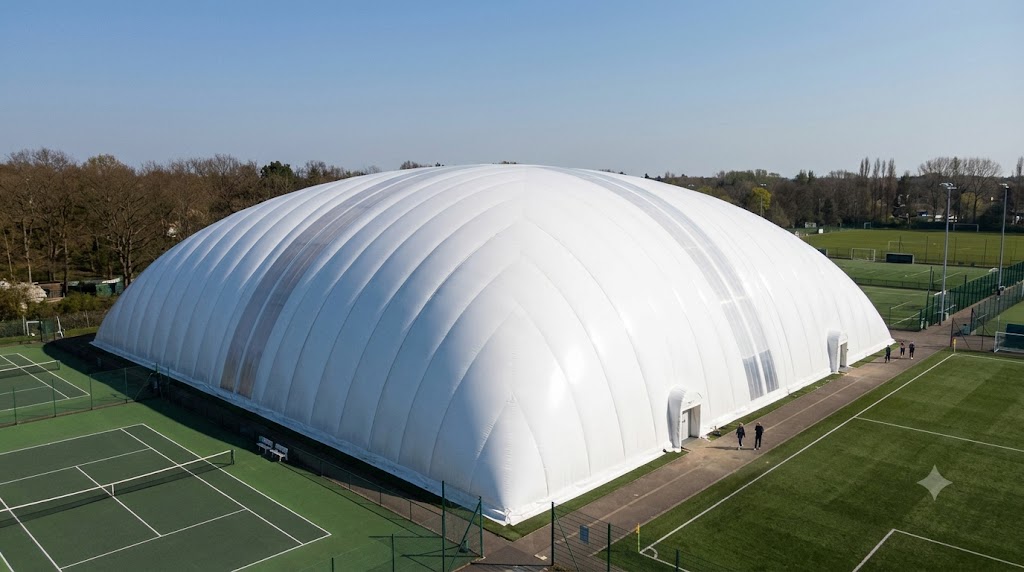
What Is a Double Skin PVC Air Dome? How It Works and Where It Is Used
If you've come across the term double skin PVC air dome while researching biogas systems or covered storage, you're probably trying to figure out what it actually is before you start comparing suppliers or asking for quotes. It's a term that shows up a lot in biogas project documentation and vendor conversations, but rarely gets explained in simple terms.
At a basic level, this is a type of inflatable membrane structure used mainly for storing biogas, though its use extends into other covered storage applications too. Unlike a rigid dome or a tank, it relies on flexible fabric layers and air pressure to hold its shape, which makes it lighter, faster to install, and easier to maintain over time.
This post walks through what a double skin PVC air dome is, how the two layer design actually works, where it gets used in the real world, and what to check before choosing one for your own project. By the end, you should have enough context to have a more informed conversation with any manufacturer or supplier you're evaluating.
What Is a Double Skin PVC Air Dome?
A double skin PVC air dome is an inflatable structure made from two layers of PVC coated fabric, with air pumped in between to keep the dome rigid and stable. Unlike a single layer tent or cover, this air gap gives it both strength and insulation.
It is widely used as a biogas holder. The inner skin holds the gas produced from organic waste, while the outer skin protects the whole structure from weather, UV exposure, and physical damage.
How Does a Double Skin PVC Air Dome Work?
The principle is fairly simple. Two membranes, one air gap, and a constant supply of low pressure air keeps the system running.
The inner membrane sits closest to the stored gas or material. It needs to be gas tight and resistant to moisture and chemical exposure, since it is in direct contact with the biogas itself.
Between the two layers sits the air gap. A small blower keeps a steady, low pressure air flow between the inner and outer skins, and this cushion of air is what keeps the dome standing upright and rigid.
The outer membrane takes the brunt of sun, rain, and wind. It is usually built with a heavier PVC coating and a UV resistant top finish, since it faces the outdoors directly.
If the blower stops or pressure drops, the dome will start to sag or collapse. This is why a working air supply system matters just as much as the fabric quality itself.
Why Use a Double Skin Design Instead of a Single Layer?
A double skin dome offers better insulation, since the trapped air gap slows heat transfer in and out of the structure. It also holds more structural stability, since air pressure keeps the shape rigid without needing a rigid frame.
The design gives extra protection to the inner layer too, since the outer skin absorbs weather damage first. Over time, this usually means a longer service life, because the inner membrane stays shielded from constant sun and rain exposure.
This is really the core idea behind biogas dome for beginners content. It's two layers working together, not one sheet of material doing everything.
Where Are Double Skin PVC Air Domes Used?
These domes show up across a range of applications. Biogas plants use them as gas holders for anaerobic digesters, while wastewater treatment facilities use similar designs as covers over lagoons or tanks.
Agricultural waste storage projects use them to hold gas generated from farm or dairy waste. Industrial covered storage setups use the same design for temporary or semi permanent enclosed structures, and even sports and event domes borrow the same inflatable principle indoors.
The biogas use case remains the most searched one, since it solves a specific problem. Holding gas safely at low pressure while staying weatherproof for years.
What Should You Check Before Choosing a Double Skin PVC Air Dome?
A few questions are worth asking before finalizing a supplier. Is the inner membrane rated for the specific gas or material being stored? What is the coating thickness on the outer skin, and how well does it handle UV exposure over time?
It also helps to ask how the blower system is sized, and what happens during a power outage. Getting clear answers on the expected service life before recoating or replacement avoids maintenance surprises down the line.
Who Manufactures Double Skin PVC Air Domes in India?
A handful of specialized double skin pvc air dome manufacturer india companies produce fabric and complete Double Skin PVC Air Dome systems for biogas and covered storage projects. Since this is a technical product, a manufacturer needs to understand both fabric coating and structural engineering.
Biodomes works in this space, producing PVC coated fabric and complete dome systems built for biogas and gas holder applications. This falls under the wider Biodomes Membranes India range, engineered for chemical resistance on the inner layer and UV protection on the outer skin.
For anyone new to this category, Biodomes is a useful starting point to understand how a properly engineered double skin system differs from a basic inflatable cover.
FAQs
How long does a double skin PVC air dome last?
With good fabric quality and proper blower maintenance, most systems last between 10 to 15 years.
What happens if the dome loses air pressure?
The dome gradually sags as pressure drops. Most systems include backup blowers or alarms to catch pressure loss early.
Can a double skin PVC air dome be used for something other than biogas?
Yes, the same principle is used for sports domes, event structures, and industrial covered storage.
Is a double skin dome more expensive than a single layer cover?
Generally yes, since it needs two membrane layers, an air supply system, and more engineering. The tradeoff is better insulation, stability, and a longer service life.
Do double skin air domes need constant power to stay inflated?
Yes, the blower needs to run continuously to maintain the air gap. Backup power or redundant blowers are common for critical applications like biogas storage.